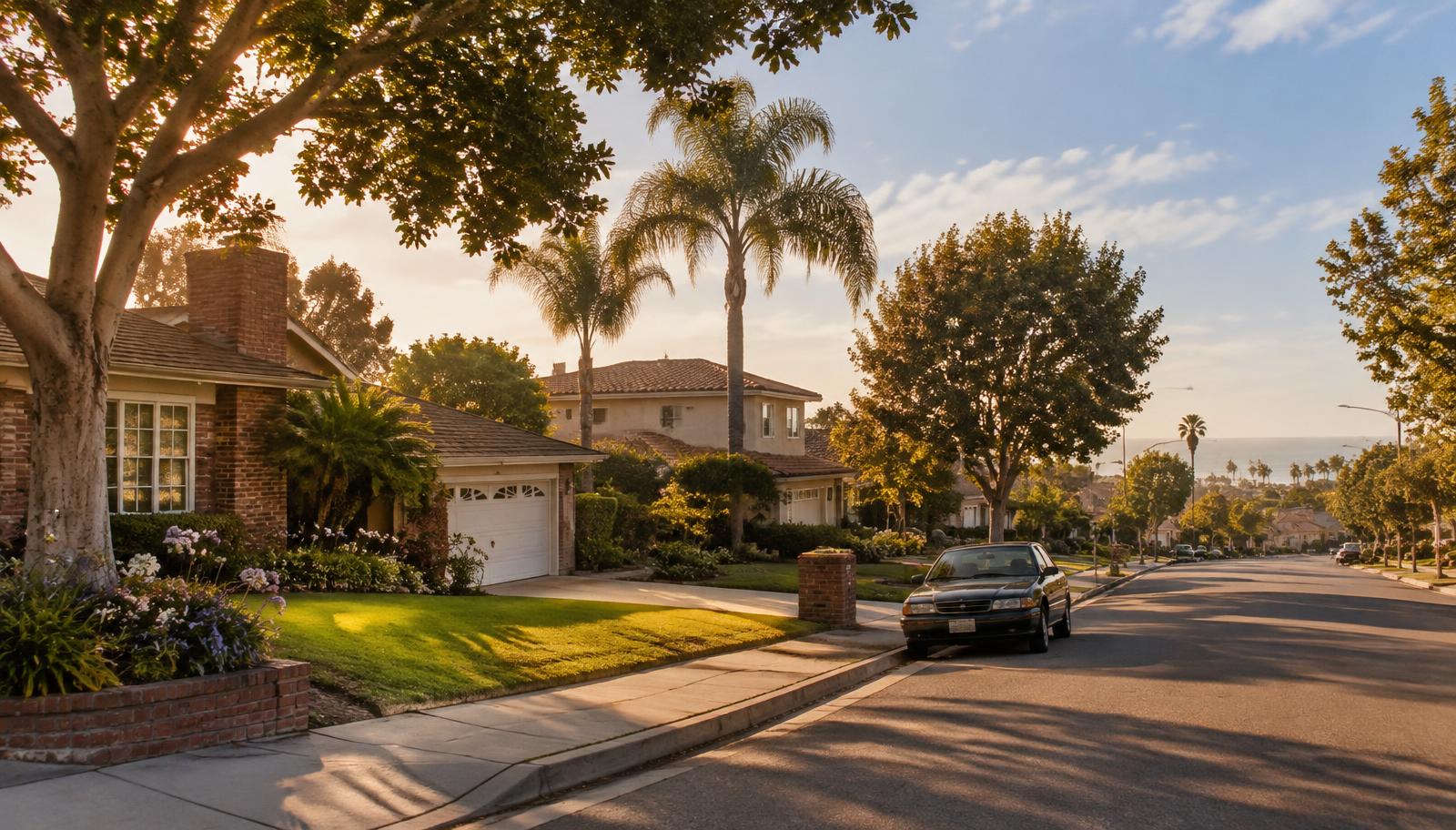
The People Who Know the Block
Every neighborhood keeps its own records. They are not written down.
The Brant Team · June 25, 2026 · 5 min read
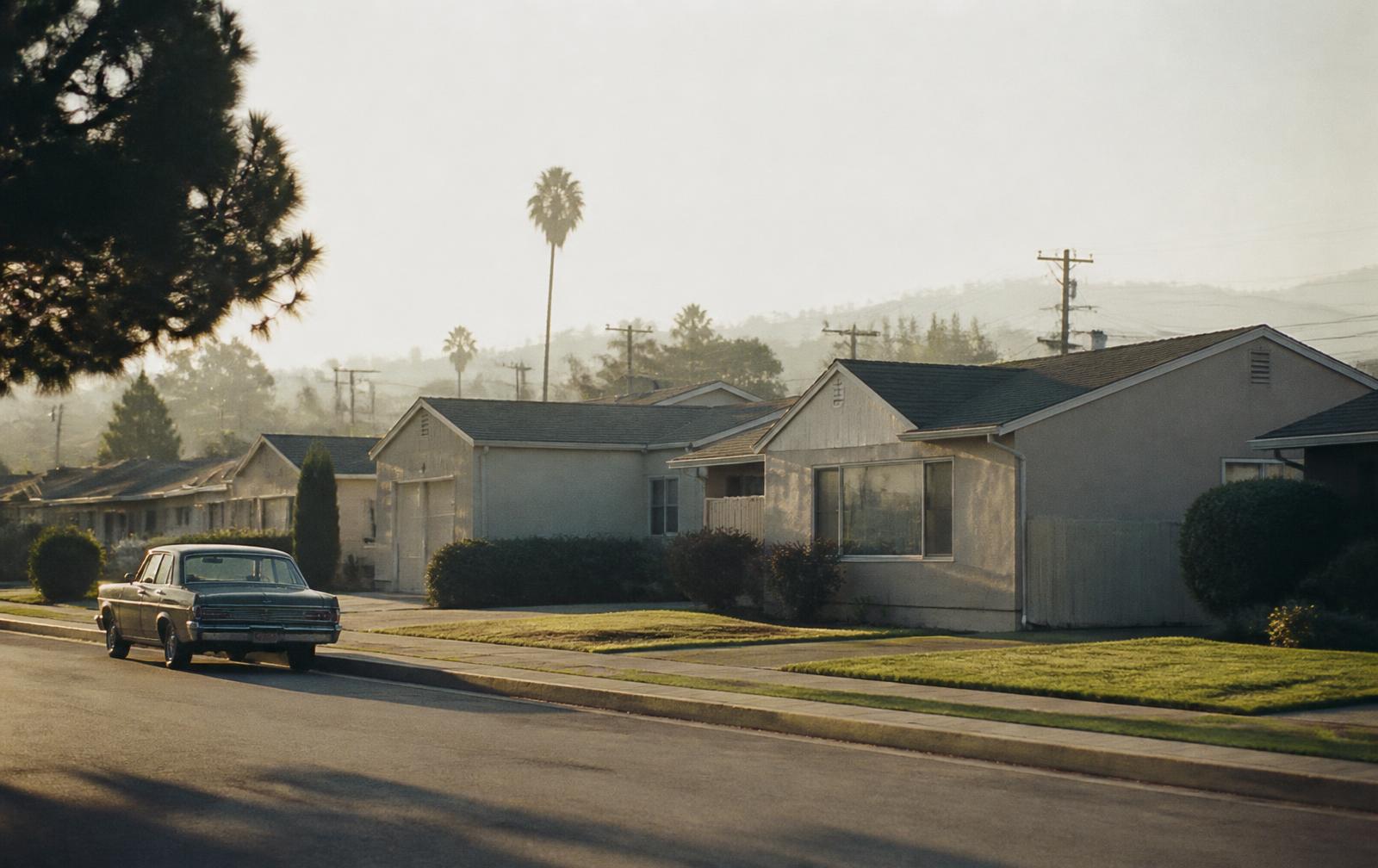
Every street has one — sometimes two, occasionally a whole coalition of them on the shady side.
They have been there longest. They know which house had the fire in the eighties, which tree came down in which storm, and which contractor did excellent work on the block and which one did not. They know where the water shuts off, which matters exactly once, at eleven at night, and then matters enormously.
Nobody appointed them. There is no title. But a neighborhood without one is measurably harder to live in.
An oral archive with no backup
What these households hold is not nostalgia. It is operational information that exists nowhere else.
Municipal records will tell you when a house was built. They will not tell you that the sewer line on the even-numbered side is a known problem, that the street floods at one corner in a hard rain, or that the previous owners of your house added the back room themselves over two summers, which explains the step down.
That kind of knowledge is transmitted only by conversation, usually across a fence, usually in response to a specific problem. It is a genuine archive, held entirely in memory, with no institutional backup and no succession plan.
Nobody appointed them. There is no title. But a neighborhood without one is measurably harder to live in.
How the transfer actually happens
The remarkable part is that the archive does get transferred, more often than not, through a mechanism nobody designed.
A new family moves in. Within a few weeks, somebody comes over — with a question about the parking, or a package that was delivered wrong, or a plate of something. In that conversation, without either party noticing, a first installment of the record is handed across: who lives where, what to watch for, who to call.
Over the following years, more arrives in fragments, always attached to an occasion. Nobody sits down and briefs anybody. It accumulates.
And then, at some point, the new family is not new. They know about the corner that floods. Ten years later, someone asks them, and they answer, and the archive has changed hands again.
What is lost when a block turns quickly
There is a version of neighborhood change where this breaks down, and it has nothing to do with who is moving in.
It is about pace. The transfer requires overlap — a period where the people who know and the people who don't are both present and occasionally talking. When turnover is slow, overlap is abundant and the record survives easily. When several houses change in the same short window, the chain can thin out, and a street can lose thirty years of practical knowledge in about eighteen months without anyone noticing until the rain comes.
This is not an argument against change. It is an argument for the fence conversation, which costs nothing and is the entire transmission mechanism.
The keepers themselves
It is worth saying something about what this role is like from the inside, because it is not purely pleasant.
To be the household that has been there longest is to be, unavoidably, the one who remembers everyone. You know which house had the long illness. You know the family that left in a hurry and why. You hold the neighborhood's difficult chapters along with its ordinary ones, and there is nobody to hand the difficult ones to.
You are also, eventually, the last person who remembers a particular version of the street: the trees smaller, the cars different, a specific set of kids on bikes at a specific hour on a summer evening that no photograph exists of.
That is a form of quiet stewardship, and it goes almost entirely unacknowledged. Which seems worth acknowledging.
- #neighborhood
- #community
- #memory