The First Box
Moves do not begin with a truck. They begin with an hour that feels much longer than an hour.
The Brant Team · July 9, 2026 · 4 min read
Ask anyone who has moved and they will tell you the middle was the hard part: the packing, the tape, the endless discovery of additional closets. They are misremembering, kindly.
The hard part was the first box.
Zero to one
Boxes twenty through eighty are labor, and labor is manageable. There is a rhythm, a system, a stack of flattened cardboard, and a decision structure already in place. By box twenty, a household knows what it is doing.
Box one has none of that. Box one requires deciding that this is happening.
Which room? Which shelf? What do you pack when you still live here and will keep living here for another two months? Anything you pack first is, by definition, something you have decided you can do without — and identifying that thing means auditing the house, which is the entire project compressed into a single opening move.
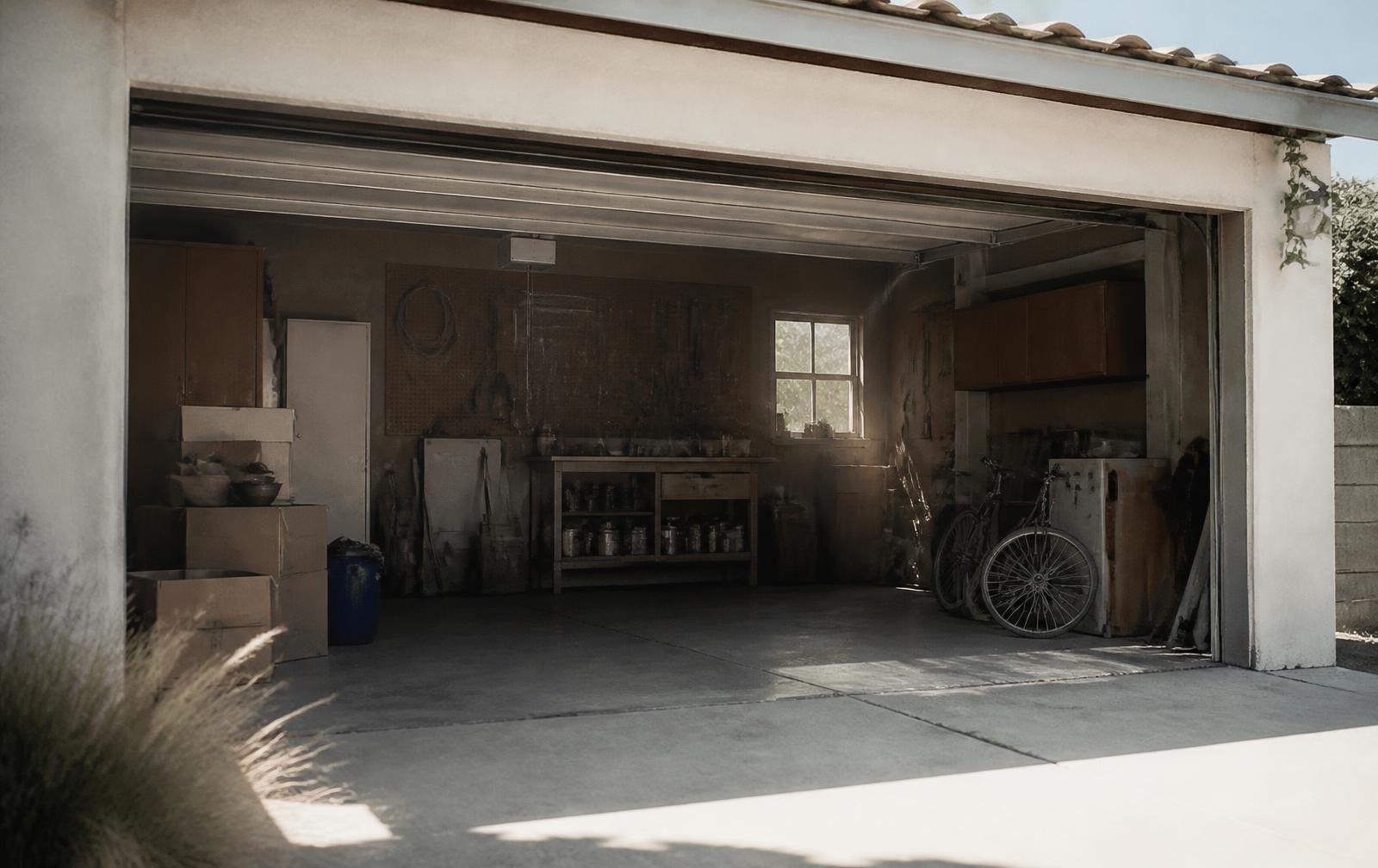
So people put the boxes in the garage, where they wait, flat, for six weeks.
Anything you pack first is, by definition, something you have decided you can do without.
The threshold, not the effort
This is not procrastination in the usual sense. Nobody is avoiding cardboard. What's being avoided is a threshold: the point at which a possibility becomes a plan.
Before the first box, the move is theoretical. It can be discussed at dinner, adjusted, postponed, reversed without cost. After the first box, the house is in transition, and everyone in it knows.
That is a genuine psychological line and it should be respected rather than pushed. Households that get pushed across it early tend to spend the following weeks quietly resentful of whoever did the pushing.
What actually gets people across
The households that cross it easily tend to have done one small thing: they made the first box meaningless.
Not the china. Not the photographs. Not the box that requires deciding what stays and what goes. The first box is the linen closet, or the holiday decorations, or the books that have not been opened since the last move — a category with a clear boundary, an obvious answer, and no emotional content whatsoever.
The point of the first box is not progress. The point is to make the second box ordinary.
And then it moves
There is a predictable acceleration after that. Once four or five boxes exist in a corner, the house has visibly changed state, and the change becomes self-reinforcing. Rooms begin to look transitional. People start noticing what they haven't touched in a month. The audit that was impossible to begin starts happening on its own, in the background, without anyone declaring it.
By the time the difficult boxes come up — the ones with the photographs, the ones that require a family conversation — the household is not deciding whether to move. It's just deciding about photographs, which is hard enough.
Anyone who has helped with a move has watched this sequence. It is remarkably consistent, and it explains why the same advice keeps working: start early, start small, and start with something that doesn't matter.
The truck is not the beginning. The truck is the easy part. The beginning is one hour, one shelf, and a box that is deliberately, strategically boring.
- #moving
- #downsizing
- #planning