The House After the Kids Leave
The rooms are the same size. The acoustics are not.
The Brant Team · August 13, 2026 · 6 min read
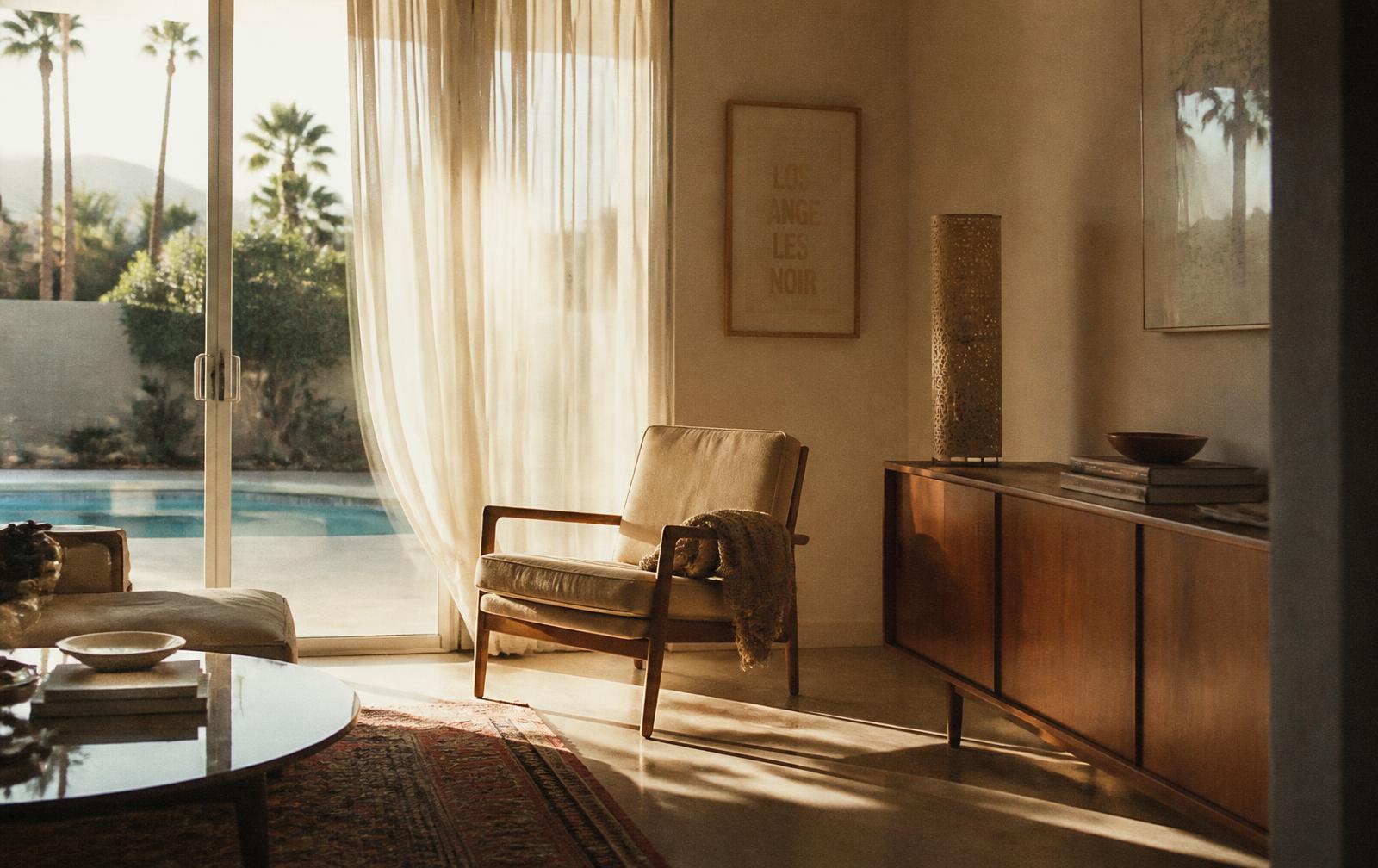
The first thing people tend to mention is not sadness. It is sound.
The refrigerator, it turns out, has been running this whole time. The hallway has a particular creak about nine feet in. Water moving through the walls at eleven at night is apparently a normal thing a house does. For eighteen or twenty or twenty-six years, none of it was audible, because it was underneath everything else — doors, music, arguments about the car, someone microwaving something at an indefensible hour.
Then the house goes quiet, and it turns out quiet is not empty. Quiet is full of the house itself.
The emotional geography of extra rooms
A family home is not really divided into rooms. It is divided into territories, and territories are drawn by use. The bedroom at the end of the hall was never a ten-by-twelve rectangle. It was a jurisdiction. Its door being closed meant something. Its light being on at midnight meant something else.
When the person leaves, the jurisdiction does not immediately dissolve. The room stays theirs for a while, and the household continues to observe borders that no longer exist. People walk past the door rather than through it. They do not put the exercise bike in there, though the exercise bike has been in the living room for a year and everyone hates it.
Quiet is not empty. Quiet is full of the house itself.
Eventually someone says out loud that it is a lot of house for two people. This is usually said in a neutral tone, as an observation about square footage. It is almost never actually about square footage.
The three-year gap
There is a common pattern here that nobody plans and almost everyone recognizes: the gap. The kids leave. The house is too big. And then nothing happens for about three years.
The gap is not indecision. It is loyalty. Moving while the rooms still feel occupied can feel like closing an account too early — like announcing that a chapter is finished when the household is not quite prepared to say so. So people stay, and they keep the bedroom as it was, and holidays justify everything: at Thanksgiving the house is exactly the right size for four days.
That is a legitimate reason to stay, and it should be said plainly, because homeowners are so often told the opposite — that hesitating is a mistake, that the math is obvious. The math is rarely the point. Nobody has ever loved a house for its price per square foot.
What actually changes first
Watch a house in the gap and you will notice it changing anyway, quietly, without a decision being made. The dining room becomes a place where mail lives. One bedroom becomes an office, though it is still called by the child's name. The second bathroom stops being cleaned weekly because nobody uses it. The garage absorbs the overflow, as garages do.
This is a house adapting faster than the people in it, and there is something reassuring about it. It means the household is already, informally, testing what it needs. By the time anyone sits down with a notepad and asks how much space is actually being used, the house has usually answered the question.
The version nobody says out loud
There is also a quieter thing underneath the practical conversation, and it deserves naming: a family home is partly a machine for keeping people coming back. Rooms are gravity. As long as the bedroom exists, there is a reason to visit, a place to stay, an implicit invitation.
The worry, mostly unspoken, is not about stairs or upkeep. It is whether a smaller place would mean fewer visits.
It is a fair worry, and worth putting on the table early rather than letting it run the decision from underneath. Households that talk about it tend to end up designing for it — a guest room that is genuinely comfortable, a sofa bed that is not a punishment, a table that opens. Households that don't talk about it tend to stay put for another three years and wonder why the conversation keeps stalling.
The rooms are the same size. The acoustics are not. Both of those are true, and only one of them is on the floor plan.
- #empty nest
- #family
- #home