The Room No One Uses Anymore
Houses outlive the routines they were designed for. The formal dining room is exhibit A.
The Brant Team · July 16, 2026 · 5 min read
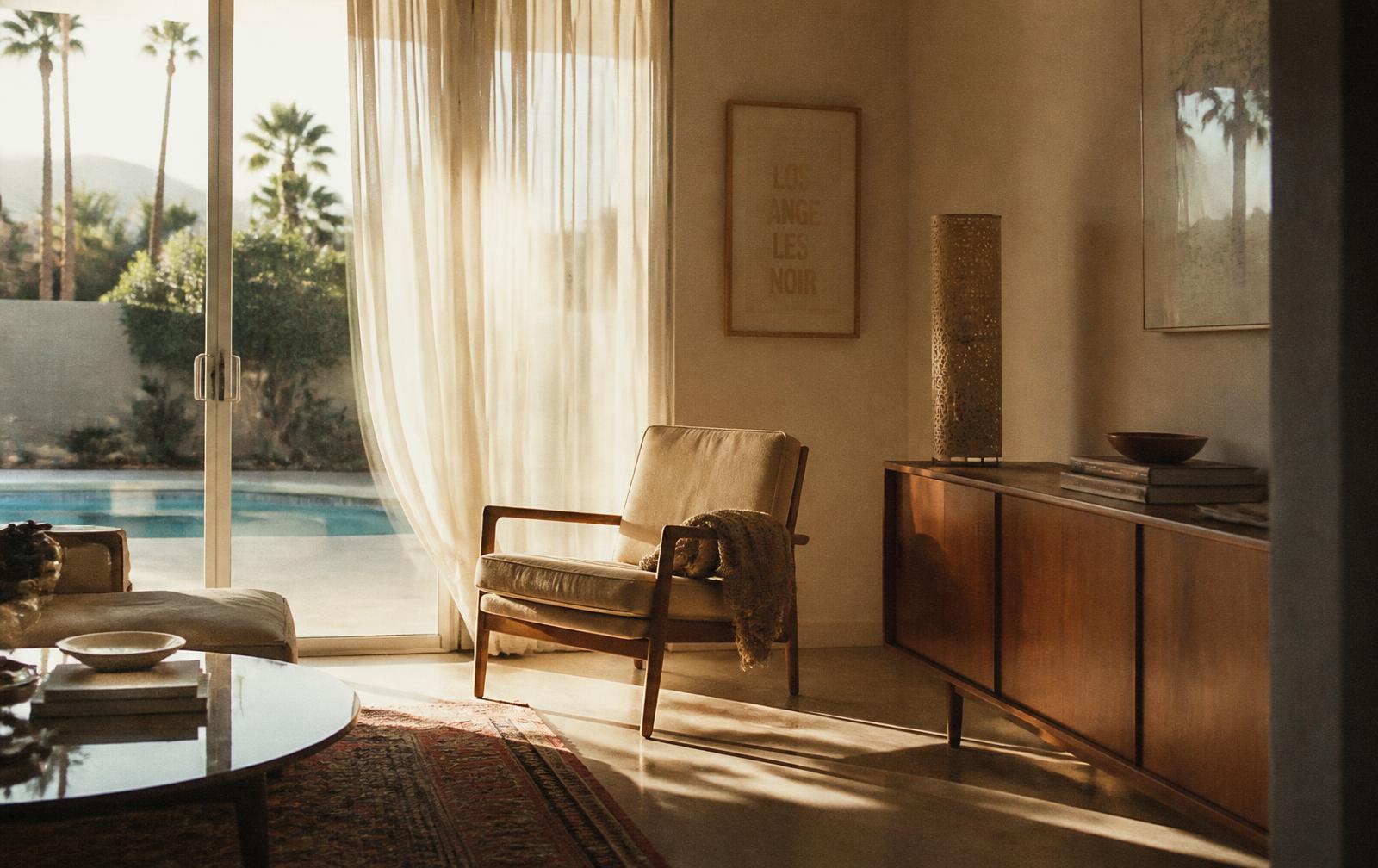
There is a room in a great many houses that is fully maintained and functionally retired.
It is clean. The table is polished. There may be a bowl on it, holding nothing. The chairs are pushed in at even intervals, which is the surest sign of all — chairs in use are never even.
The formal dining room is the most common example, but it is not the only one. The living room that exists because the family room already handles living. The guest room used twice a year. The bonus room over the garage that was a playroom, then a study, then a place where the treadmill went to be honest with itself.
Rooms are frozen assumptions
A floor plan is an argument about how life will be conducted, made by an architect who never met you, in a decade with different habits.
The formal dining room assumes a household that hosts seated dinners on a regular schedule. That assumption held reasonably well for a long stretch of the twentieth century. It holds less well now, not because anyone decided against it, but because the routine it served — a set evening, everyone present, courses — thinned out gradually and was replaced by the kitchen island and staggered schedules.
The room did not adapt, because rooms can't. They just sit there, correctly built for a life that has moved on.
Chairs in use are never even.
The strange loyalty of maintained rooms
What is worth noticing is how carefully these rooms are kept anyway.
Nobody stops cleaning the dining room. It gets dusted, the rug gets vacuumed, the light fixture is replaced when it goes. A household will maintain a room it does not use with the same diligence as a room it lives in, sometimes more, because unused rooms stay clean and therefore reward the effort.
There is a real cost to this that never shows up as a number: square footage, heating, cleaning, taxes, insurance and thirty years of attention devoted to a space that hosts four meals a decade. If a business ran this way, someone would have made a chart.
But households are not businesses, and the reason for the loyalty is legitimate. The room is not being maintained for its current use. It is being maintained for its ceremonial one. It is where the holidays happen, and holidays are precisely the events that justify a house's size to the people inside it.
The room as a scoreboard
There is one more layer, and it is the quietest.
For a lot of households, the formal room was an achievement. Having a room you did not need was the entire point of getting one — proof of arrival, of a certain kind of stability, of a life with margin in it. Letting it go can feel like reversing that, even when the practical case is overwhelming.
That deserves to be said out loud during any conversation about space, because it usually isn't. People will happily discuss stairs, maintenance and property taxes. Very few will say the real sentence: I worked a long time for a house with a dining room in it.
What a good next place actually needs
The useful question is not whether the room is wasted. It's what the room is standing in for.
If the answer is holidays, then the requirement is not a formal dining room. It's a place where twelve people can eat once or twice a year — which a well-chosen open plan, a table that expands, and a patio in a climate like this one can handle without carrying a dedicated room for the other 363 days.
If the answer is the scoreboard, then the requirement is different and more personal: a next home that reads as a choice rather than a reduction. That is a real design brief, and it is worth stating plainly rather than pretending the decision is purely arithmetic.
Houses outlive routines. That is not a failure of the house or the household. It just means that at some point the floor plan stops describing the life, and it is worth asking which one should be edited.
- #home
- #rooms
- #downsizing